働く・学ぶ・暮らすラボ

6年ぶりに、ブログを再開。あの頃はまだ学生気分が抜けず、いろいろ語るには早すぎた。いまは30代、法人営業として社会を経験、2児の父として家庭を持ち、日々の中で「働くこと」「学ぶこと」「暮らすこと」に改めて向き合っています。それぞれのバランスを探す旅の途中で、 自分なりの“納得できる生き方”を見つけたい。noteと並行して発信していく予定です。共に“燃え尽きない働き方”を考える人へ。 note:https://note.com/hirokid_

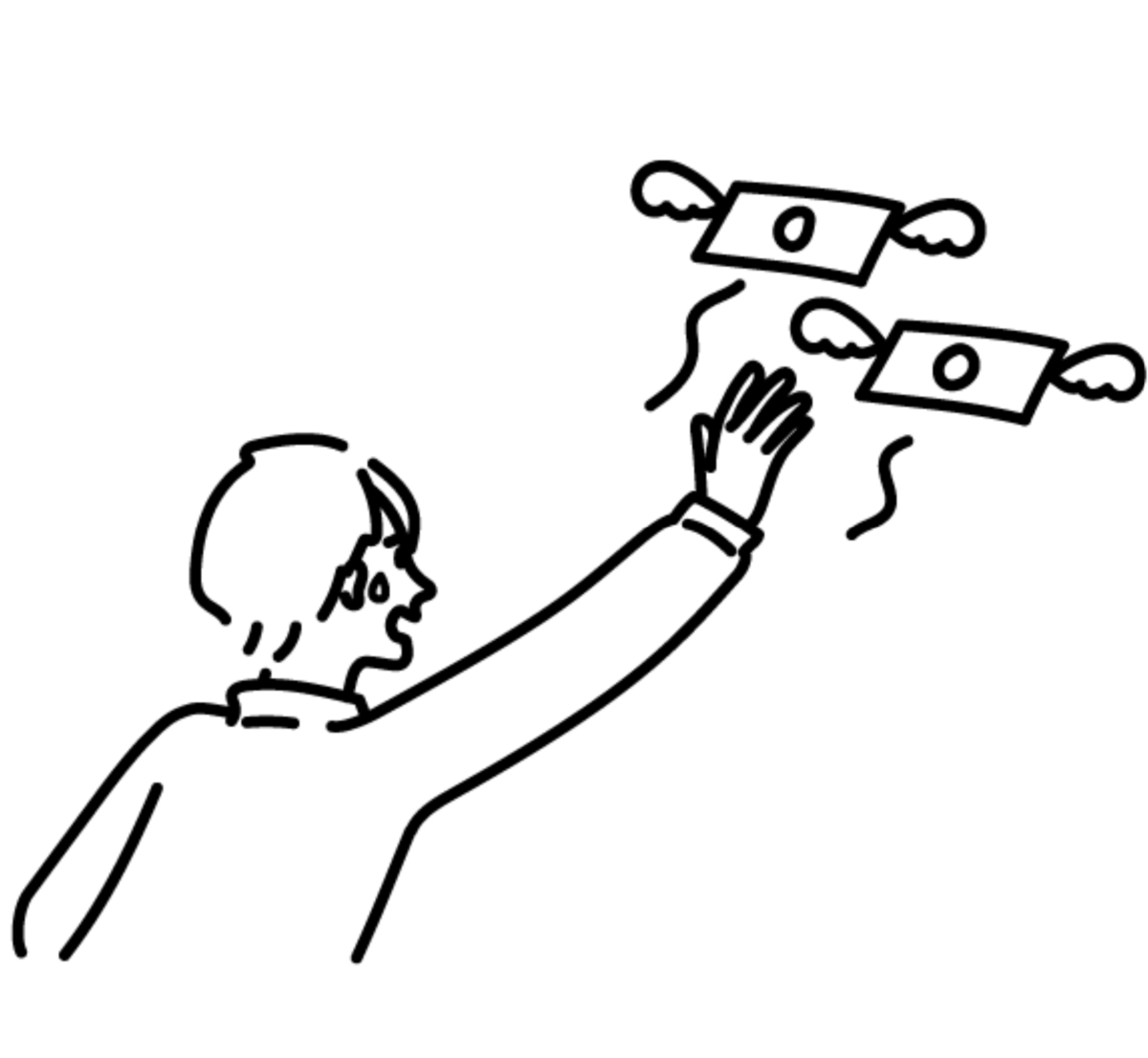
【29歳で年収1000万の真実】「給与1本」で目指す3大ルートの限界と、手取り最大化を狙う「ポートフォリオ型」という現実解

「夫には年収1,000万になりたい!という夢があり、転職活動を頑張っています。でも最終面接で落ちたり上手くいかず……世の中の年収1,000万の夫さんは何のお仕事をされているのですか?(夫は29歳です)」

先日、SNSでこのような投稿を見かけました。

夫を応援する気持ちや向上心自体は素晴らしいものです。しかし、29歳〜30歳前後で「1馬力・年収1,000万円」を目指す難易度と構造を整理できていないまま、数字の響きだけに憧れて転職活動をしても、面接官には見透かされてしまいます。

そもそも、サラリーマンの給料1本で若くして1,000万円を目指す道は、「席が空いていない」「命を削る」「前提条件が厳しすぎる」のどれかに直面します。

今回は、給与所得で狙う3大ルートのリアルな代償と、令和の時代に最も賢く手元にキャッシュを残す「ポートフォリオ型(本業+副業/共働き)」の戦略をロジカルに解説します。

30歳前後で「給与1本・年収1,000万円」を狙う3大ルート

日本のサラリーマンで年収1,000万円を超えるのは上位約5%。20代後半〜30歳前後に限ればさらに狭き門です。給与所得だけでこの領域に到達するルートは、構造上3つしかありません。

① 業界プレミアム型(トップティアJTC・インフラ・メガバンク)

  • 構造: 参入障壁が高く、構造的に高い利益率を誇る業界の利益分配に乗る(いわゆる「まったり高給」)。

  • 現実: 30代前半〜中盤で大台に乗る最も手堅いルートですが、採用の主軸は新卒至上主義です。20代後半の中途採用枠は極めて狭く、運良く入社できても生え抜き優遇の出世競争に直面します。

② 労働集約・成果報酬型(戦略コンサル・M&A・歩合営業)

  • 構造: 労働時間を極限まで投下するか、個人の成約実績に応じたインセンティブを積み上げる。

  • 現実: 結果を出せば20代でも1,000万〜2,000万円に届きます。しかし、「体力・メンタル・家族の時間」を担保に差し出すトレードオフ。上昇志向の強い一部のタフな人材以外は、体やメンタルを壊して数年でフェードアウトします。

③ 専門職・外資型(難関士業・外資系テック・外資金融)

  • 構造: 独占業務資格(弁護士・会計士など)や高い語学力、希少な専門スキルで市場価値を取る。

  • 現実: 29歳から未経験で飛び込むには年単位の学習・自己投資が必要。長期的なキャリア形成としては王道ですが、目先の転職で一発逆転を狙う即効性はありません。

1馬力1,000万円を襲う「累進課税」と「所得制限」の罠

仮に激務に耐えて「夫1人で額面1,000万円」を達成したとします。しかし、日本の税制と社会保障制度は高所得の単身馬力に厳しく設計されています。

  • 手取りは約720万〜730万円: 額面の3割近くが税金(所得税・住民税)と社会保険料で差し引かれます。

  • 各種手当の縮小・除外: 子育て世帯の場合、児童手当の特例給付や高校無償化の制限など、公的支援の恩恵が薄くなります。

身を粉にして働き、家庭の時間を犠牲にして1,000万円を稼いでも、手元に残る金額は「思ったほど贅沢できない」というのが日本の現実です。

令和の現実解:手取りと幸福度を最大化する「ポートフォリオ型」

給与1本に固執せず、複数の収入源を組み合わせる「ポートフォリオ型」のアプローチこそ、リスクを抑えて実質的な豊かさを手に入れる戦略です。

アプローチA:本業(ホワイトJTC 600万〜800万) + 副業(200万〜400万)

定時で帰りやすいホワイト企業で安定した給与と社会保険を確保しつつ、空いた時間で個人事業(note、ブログ、受託開発、コンテンツ販売など)を展開する形です。

副業部分は事業所得として経費を活用できるため、給与1本で1,000万円を稼ぐよりも税制面で手元にキャッシュを残しやすくなります。

アプローチB:夫婦共働き(夫500万 + 妻500万 = 世帯1,000万)

同じ「世帯年収1,000万円」でも、夫1馬力と共働きでは手取り額に大きな差が生じます(税のプロではないので計算は雑です)。

項目 夫1馬力(1,000万円) 夫婦共働き(500万+500万)
世帯額面 1,000万円 1,000万円
給与所得控除 195万円(上限) 288万円(144万円 × 2人)
基礎控除 48万円 96万円(48万円 × 2人)
年間世帯手取り額 約720万〜725万円 約780万〜790万円
手取り差額 基準 共働きの方が約60万〜70万円多い

控除枠を2人分フル活用し、所得税の適用税率ブラケットを低く抑えることで、同じ額面1,000万円でも共働きの方が年間約65万円(毎月約5.5万円)多く手元に残ります。

まとめ:記号に惑わされず、電卓を叩こう

「年収1,000万円」という肩書は魅力的に見えます。しかし、本質的に重要なのは「肩書」ではなく、「世帯全体の手取りキャッシュ」と「家族と過ごす時間のゆとり」です。

無理な転職で消耗戦に突入する前に、まずは税制や働き方の構造を理解し、給料1本に依存しない現実的なポートフォリオを検討してみてはいかがでしょうか。

【お知らせ】今後の更新頻度について(11月まで不定期更新となります)

いつも記事を読んでいただき、ありがとうございます。

突然のお知らせとなりますが、中小企業診断士の「二次試験」に向けた直前期の勉強に専念するため、当面のあいだブログの更新頻度を落とすことにしました。

これまでは週1回ペースを維持してストック記事を公開してきましたが、10月下旬の二次試験本番までは、どうしても触れておきたいトピックがある場合を除き、「不定期更新」とさせていただきます。

試験が終了する11月以降は、再び元のペース(週1回〜)に戻してガシガシ発信していく予定です。

少しの間更新が落ち着きますが、本番に向けて全力を尽くしてきます。引き続き温かく見守っていただけると嬉しいです!

【東大卒が教える】試験まで時間がある人の「正攻法」vs 1週間前で絶望している人の「泥臭い合格最低点戦略」

「今年こそは何か資格を取りたい」

「試験まであと1週間しかないのに、絶望的に勉強が進んでいない……」

そんな悩みを抱える全国の受験生・社会人のみなさん、こんにちは。東大卒のブログ主です。

世の中には「1日10分の超記憶術!」とか「楽して一発合格!」みたいな甘い言葉が溢れていますが、はっきり言います。勉強に魔法はありません。

ただし、「正攻法の効率」と「土壇場の生存戦略」さえ知っておけば、どんな試験でも合格ラインに滑り込むことは十分に可能です。

今回は、受験や難関資格を突破するための全手順を、準備期から試験当日の1秒のあがきまで、実体験を交えてフルコースでお届けします!

【準備編】まずは「残された時間」と向き合え

勉強を始める前に、カレンダーを直視してください。あなたには「時間」がありますか? それとも「絶望的にありません」か?

1. 時間がある人:これが最強の「正攻法」だ!

時間があるなら、変な裏ワザに逃げず、王道を突き進むのが一番楽で一番確実です。

① まずは「敵を知る」(いきなり1ページ目から読むな!)

ほとんどの人がやりがちなのが、分厚いテキストの「第1章」から順番に読み始める愚行。これ、一番効率が悪いので今すぐやめてください。

まずは敵(試験)の分析から始めます。

  • どんな問題が出るのか?

  • 何割取れば合格なのか?(満点を目指す必要はありません!)

  • どの分野の配点ウェイトが高いのか?

理想は、ノー勉の状態でまず過去問を1回分解いてみること。

「現在の自分の実力(0点でもOK)」と「敵の強さ」を把握してからテキストを開くと、どこを重点的に読むべきかが脳にインプットされ、学習効率が段違いに跳ね上がります。

② 習慣化の極意(毎日5分&スマホアプリを活用)

勉強は「毎日コツコツ」が最強だと誰もが知っています。でも、それができないから人間なんですよね。

人間の短期記憶なんて、1日経てば半分以上吹き飛びます。だからこそ復習が命。

机に向かうのが辛いなら、アプリを使いましょう。今の時代、「1日一度もスマホを触らない人」なんてこの世に存在しません。 SNSを開く指を、そのまま資格アプリに切り替えるだけ。スキマ時間にポチポチやるのが、最もストレスのない復習法です。

③ インプットとアウトプットはセットで

テキストで知識を入れたら(インプット)、すぐに例題を解く(アウトプット)。このサイクルを徹底してください。

そして、間違えた問題には必ずテキストや問題集に「×印」をつけておくこと。 復習のときに「自分がどこでコケるのか」を一目でわかるようにしておくためです。

④ 1周目は「浅く・広く」。勝負は2周目から!

最初から難解な応用問題に首を突っ込んで撃沈する必要はありません。1周目は理解度6割くらいで、とにかく全体像を把握するために「さらっと浅く広く」駆け抜けるのがコツ。

2周目、3周目と重ねるうちに、スカスカだった知識の網の目がどんどん埋まっていきます。

私の経験上、「正解するまで3周回した試験」で落ちることはまずありません。

2. 時間がない人:1週間前で絶望している人の「泥臭い合格最低点戦略」

「やばい、あと1週間しかない……」というあなた。

まず、自分が圧倒的に不利な状況にいるという絶望的な現実を受け入れてください。 奇跡は起きません。

その上で、泥臭く「合格最低点」だけを狙いに行きます。

  • 戦略①:1日でテキスト全体を超高速でパラパラ読む(浅く広い理解)

  • 戦略②:「絶対に点を落としてはいけない頻出分野」だけを特定し、そこだけに全集中する

要するに、徹底的に捨て山を作り、配点が高い基本問題を完璧にして「ギリギリ滑り込む」作戦です。

💡 超短期決戦で差がつく「暗記のコツ」2選

時間がなさすぎると「全部丸暗記だ!」と力づくで覚えようとする人がいますが、それは爆死の素。知識の性質に合わせて暗記法を使い分けてください。

  1. ロジックや因果関係があるもの ⇒「丸暗記」は絶対NG!

    「なぜそうなるのか?」という仕組み(理由・背景)をきっちり理解した方が、結果として記憶の定着が圧倒的に速く、本番でひねられた時の「応用」も効きます。理由が説明できるものは、丸暗記するより「理解」した方が圧倒的にコスパが良いのです。

  2. ただの数字・名前・記号 ⇒「語呂合わせ&ビジュアル」で力づく!

    年号や専門用語、法律の数値など「理屈抜きで覚えるしかないもの」は、正攻法で覚えていたら間に合いません。語呂合わせを作ったり、イラストやテキストの配置(ビジュアル)と無理やり紐づけたりして、脳の引っかかりを強引に作って丸暗記してください。

なお、焦って「徹夜で一夜漬け」をする人がいますが、脳のパフォーマンスがゴミ化するので逆効果。睡眠時間だけは削らず、しっかり寝てください。

【前日編】当日の思考力を「0」にする準備

試験前日は、勉強以上に「環境のセットアップ」が合否を分けます。当日の朝に無駄な脳のキャパを使わないよう、事前準備を完了させましょう。

  • 持ち物は前日にすべてカバンへ(当日考えることを極限まで減らす)

  • 交通ルートと時刻表の最終確認(会場には余裕をもって「30分前」に着くよう計算)

  • 腕時計は「一秒単位でわかるデジタル時計」を用意(1秒の差が勝負を決めることもあります!)

  • 脳のガソリン(アミノ酸&糖分)をコンビニで仕込む

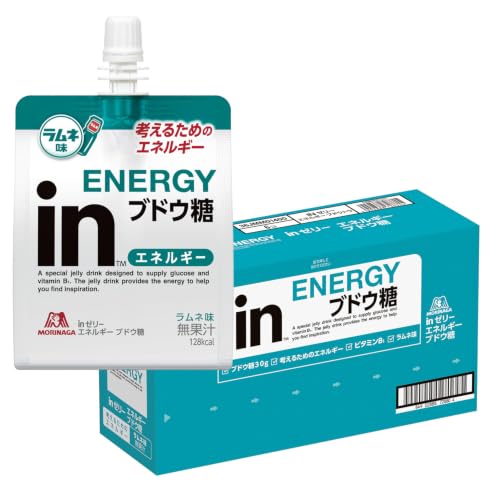
    試験中の脳は凄まじいカロリーを消費します。合間の休み時間に即効でエネルギーになるアミノ酸ゼリーやブドウ糖チョコレートを事前に買い込んでおきましょう。

💡 受験生の必需品:脳の栄養補給セット

試験中の集中力を切らさないために、カバンに忍ばせておくべきプロ定番の補給食です。


準備が整ったら、早く寝る! 一夜漬けは厳禁です。

【当日編】試験開始の合図から勝負は始まっている

さあ、決戦の時です。

  • 朝ごはんはしっかり食べる!(脳を動かす燃料です)

  • 試験冊子が開いても、1問目から解くな!

    まずは印刷ミス(乱丁)の確認も兼ねて、全体にパラパラと目を通します。これで「全体像とボリューム」を脳に把握させます。

  • 解ける問題から順に片付ける!

    時間のかかる難しい計算問題や長文には「◯印」をつけて後回し。確実に点が取れる基本問題から着実に加点していきます。

  • 「捨て問」は勇気をもって捨て、「落とせない問題」を2回見直す!

    満点を目指す必要はありません。誰も解けない悪問に時間を奪われるくらいなら、絶対に取らなきゃいけない基礎問題を慎重に見直してください。

  • 終わった科目のことは秒で忘れろ!

    「全然できなかった……」と凹む必要はありません。あなたが難しかったなら、周りの受験生も全員爆死しています。逆に「余裕だったわ」と思った時ほど、ケアレスミスで落ちているのが試験の恐ろしいところ。

終わった科目の引きずりは厳禁。

次の科目に気持ちを切り替え、用意しておいたアミノ酸ゼリーを流し込んで、脳を再起動しましょう!

まとめ

どんなに難しい試験でも、やるべきことはシンプルです。

時間があるなら「過去問で敵を知り、アプリで復習し、3周回す」。 時間がないなら「捨て山を決めて、合格最低点にしがみつく」。

最後まで諦めずに、自分の電卓とペンを信じて戦ってきてください。

健闘を祈る!

A Beginner’s Guide to Tokyo Sento: Etiquette, Tattoo Rules, and Hidden Gems in Sumida

For many travelers visiting Japan, experiencing a Sento (traditional Japanese public bath) or a modern Onsen/Spa is high on their bucket list. However, the idea of getting completely naked in front of strangers—combined with strict, unwritten rules—can feel overwhelming for first-timers.

If you’re staying near Asakusa, Skytree, or Ryogoku, Sumida Ward is one of the best places in Tokyo to dive into this comforting culture.

Here is your beginner-friendly guide to Japanese bath etiquette, tattoo rules, and 3 amazing bathhouses in Sumida you must visit.

🧼 5 Golden Rules of Japanese Bath Etiquette

Before entering the water, remember these basic rules so you can relax like a local:

  1. Wash Before You Soak: Never jump straight into the bath! Sit at a washing station, rinse off completely, and wash your body and hair before entering the communal tubs.

  2. No Towels in the Water: Keep your small privacy towel out of the bathwater. Fold it and place it on top of your head, or set it on the side of the tub.

  3. Tie Up Long Hair: Hair should never touch the bathwater. Secure long hair with a hair tie or wrap it in a towel.

  4. Wipe Down Before Entering the Locker Room: Dripping wet floors in the changing area are a big no-no. Use your small towel to dry off as much as possible before stepping back onto the locker room mats.

  5. No Phones or Cameras: Strictly prohibited inside both the locker rooms and bathing areas for obvious privacy reasons.

♨️ 3 Must-Visit Bathhouses in Sumida

1. Ryogoku Yuya Edoyu (両国湯屋 江戸遊)

The Ultimate Modern Spa & Sauna Experience (Tattoo-Friendly with Covers)

Located just a 1-minute walk from JR Ryogoku Station, Edoyu is an upscale, modern super-sento designed like a traditional Edo-period bathhouse. Unlike classic neighborhood sentos, Edoyu feels like a luxury day spa with multiple themed hot spring baths, jet tubs, Finnish saunas, and "Bedrock Baths" (Ganban-yoku).

  • The Vibe: Relaxing, clean, spacious, and extremely beginner-friendly.

  • Tattoo Policy: Tattoos are generally not allowed, BUT if you can completely cover small tattoos with waterproof cover patches (available at the front desk), you are welcome to enter!

  • Why Tourists Love It: They provide full towel sets, Jinbei (Japanese lounge wear), and amenities, so you can show up empty-handed after a long day of sightseeing. They also have a fantastic quiet lounge with recliners and free Wi-Fi.

2. Daikokuyu (大黒湯)

The Iconic "Sento of the Sky" with Skytree Views

Known as the "Sento of the Sky," Daikokuyu is a historic, authentic neighborhood sento located near Oshiage / Tokyo Skytree. Its biggest claim to fame is the open-air bath (Rotenburo) on the roof/terrace, offering a breathtaking, unobstructed view of the illuminated Tokyo Skytree at night.

  • The Vibe: Retro, authentic local neighborhood warmth with wood-paneled locker rooms and traditional bath murals.

  • Tattoo Policy: Tattoo-friendly! As a traditional public sento, people with tattoos are fully welcome without covers.

  • Why Tourists Love It: Experience real local daily life, soak in natural mineral water, and enjoy the stunning view of the Skytree while soaking outdoors.

3. Mikurikyu / Mikuri-no-yu (御谷湯)

Fuji Views, Black Water Springs, and Full Accessibility

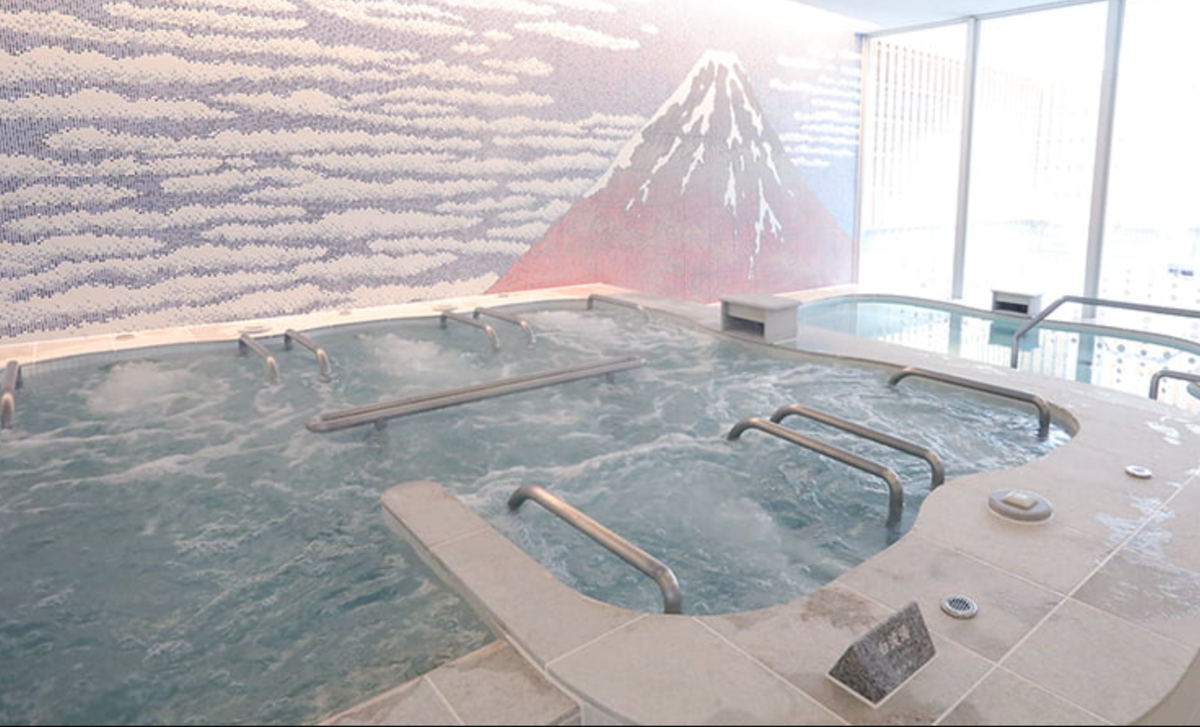
Renovated into a modern 5-story building, Mikuriyu combines traditional charm with modern comfort. It features famous Kuro-yu (dark, nutrient-rich natural thermal spring water) that leaves your skin feeling silky smooth. The top floors feature classic hand-painted Mount Fuji murals on the wall.

  • The Vibe: Clean, multi-level local bathhouse with high ceilings and fantastic views of the city.

  • Tattoo Policy: Tattoo-friendly!

  • Why Tourists Love It: It’s fully barrier-free (accessible via elevator), offers incredible natural black hot spring water, and gives you a taste of traditional Japanese art with its giant Mt. Fuji mural.

🧳 What to Pack for Your Sento Visit

If you're visiting a traditional sento (like Daikokuyu or Mikurikyu), you’ll need a few basics:

Beyond Asakusa: 5 Must-Try Local Restaurants in Sumida & Ryogoku (Loved by Locals, Not Tourist Traps) -Where Locals Eat Near Ryogoku: Tonkatsu, Craft Beer, & Secret Yakiniku

はじめに(Introduction)

Asakusa is amazing, but let’s be honest: the crowds and long queues at tourist-famous restaurants can be exhausting.

Just a short walk or a one-stop train ride across the Sumida River lies Ryogoku / Sumida, a vibrant neighborhood famous for Sumo wrestling—and more importantly, an incredible food scene frequented by real locals.

Here are 5 hidden culinary gems in Sumida where you can experience authentic Japanese food without the inflated tourist prices.

1. Tonkatsu Ichikatsu (とんかつ いちかつ)

The Ultimate Budget-Friendly Crispy Pork Cutlet

If you want to taste authentic Japanese Tonkatsu (deep-fried pork cutlet) without spending 3,000 yen, this is your holy grail. Located right near Ryogoku Station, Ichikatsu serves thick, juicy pork cutlets with a perfectly crispy panko crust starting at unbelievable prices (around 800–1,000 yen for a full set meal with rice, miso soup, and cabbage).

  • Food Type: Tonkatsu (Deep-fried pork cutlet)

  • Vibe: Fast, authentic, counter-seating local diner.

  • Tip: Order the "Loin Cutlet Set" (Rosu-katsu Teishoku). Be prepared for a short wait during peak lunch hours, but the turnaround is fast!

2. Sukesan Udon Ryogoku (資さんうどん 両国店)

Kyushu’s Soul Food Makes Its Famous Tokyo Debut

Sukesan Udon is a legendary udon chain from Kitakyushu, Fukuoka, famous for its soft yet chewy noodles, rich savory broth, and iconic long burdock root tempura (Gobo-ten). Having recently expanded to Ryogoku, it brings a unique, comforting style of udon that differs from the typical Tokyo style.

  • Food Type: Udon & Donburi (Rice Bowls)

  • Vibe: Casual, family-friendly, and welcoming to first-timers.

  • Must-Try: "Niku Gobo-ten Udon" (Udon topped with seasoned beef and crispy burdock tempura). Don’t forget to try their sweet Botamochi (rice cake) for dessert—a famous Sukesan tradition!

3. Tsukemen-ya Gonroku Ryogoku (つけ麺屋 ごんろく 両国)

Rich & Savory Dipping Noodles with Free Portion Upgrades

For noodle lovers, Tsukemen (dipping ramen) is a must. Gonroku serves a rich, flavorful broth made from pork, chicken, and dried seafood, paired with thick, chewy noodles. The best part for hungry travelers? You can upgrade your noodle portion from Small to Extra Large for the exact same price!

  • Food Type: Tsukemen (Dipping Ramen)

  • Vibe: Classic Japanese ramen shop with ticket vending machines.

  • Must-Try: "Tsukemen" with a soft-boiled seasoned egg (Ajitama). Add a splash of free onion topping on your table to customize the flavor!

4. Kyogyuso Ishihara Hon-ten (巨牛荘 石原本店)

Legendary "Bulgogi-Style" Yakiniku & The Ultimate Fried Rice

Operating for decades in Sumida, Kyogyuso is famous for its unique style of Yakiniku (Japanese BBQ). Their signature dish is thinly sliced, marinated beef cooked on a dome-shaped iron grill. But the real showstopper happens at the end: they take the rich juices from the grilled beef and fry up the most addictive Yakiniku Udon or Fried Rice you will ever taste.

  • Food Type: Yakiniku (Japanese BBQ)

  • Vibe: Retro, smoky, highly authentic neighborhood BBQ joint.

  • Must-Try: Marinated beef (Yosui-nikusuki) followed by the famous Yaki-udon cooked in the meat juices.

5. Popeye (麦酒倶楽部 ポパイ)

The Holy Grail of Craft Beer in Tokyo

If you love beer, Popeye is a legendary sanctuary. Long before craft beer became a global trend, Popeye was pioneering the scene in Tokyo. Featuring over 70 craft beer taps on draft—focusing heavily on top-tier Japanese microbreweries—along with fantastic pub food, it’s the ultimate spot to unwind after a day of sightseeing.

  • Food Type: Craft Beer Pub & Western/Japanese Fusion Snacks

  • Vibe: Energetic, friendly, and hugely respected by beer enthusiasts worldwide.

  • Pro-Tip: Visit during "Happy Hour" (usually early evening) when ordering certain beers comes with a free food plate!


Note: You can easily set your hotel or a nearby convenience store as the shipping address on Amazon Japan!


Don't get lost finding these hidden restaurants! Grab a hassle-free eSIM, so you have instant access to Google Maps and translation apps throughout your trip.


Physical Suica cards can sometimes be hard to find or involve long lines at major airport counters. Order an unassigned Pre-loaded Physical Suica Card to your hotel, tap your way onto any train, and start exploring Tokyo instantly!


You’ll be using Google Maps and translation apps all day in Tokyo. A compact Anker Magnetic Power Bank is a lifesaver for long days in Sumida.
 

Tokyo Skytree Without the Crowds: 5 Local Hacks Tourists Don't Know

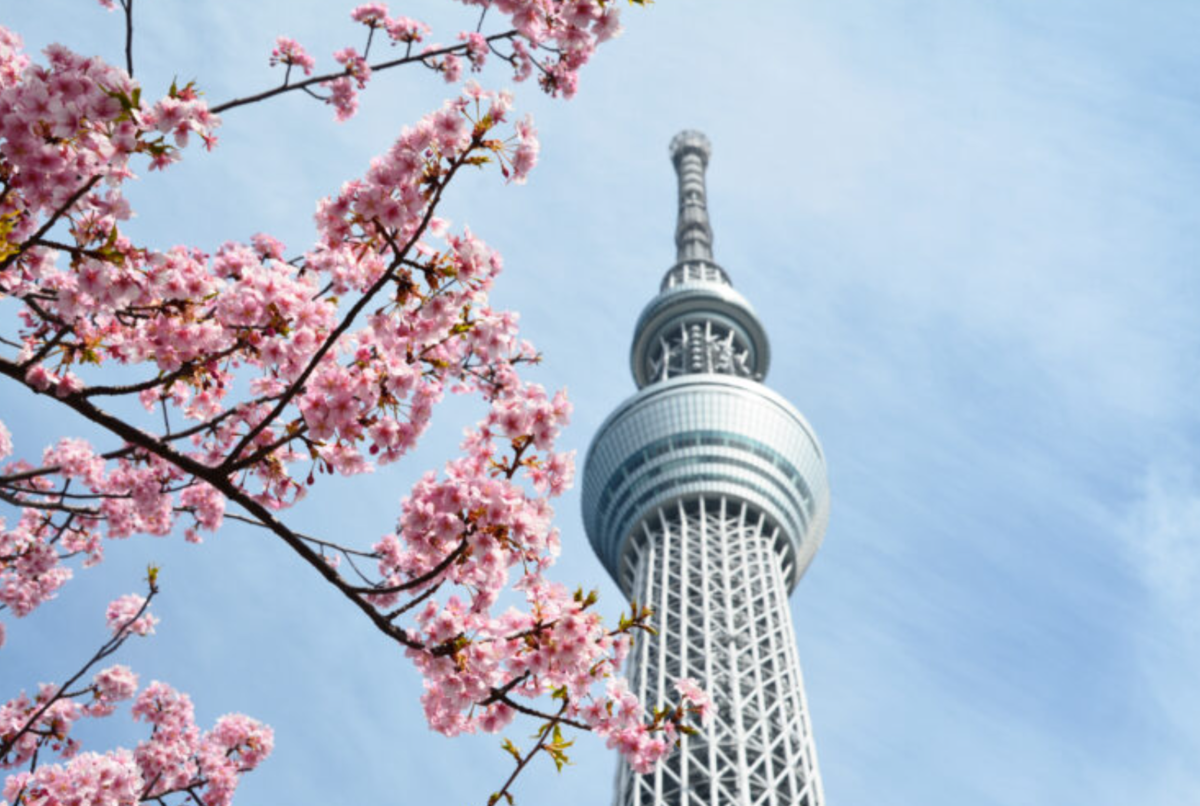
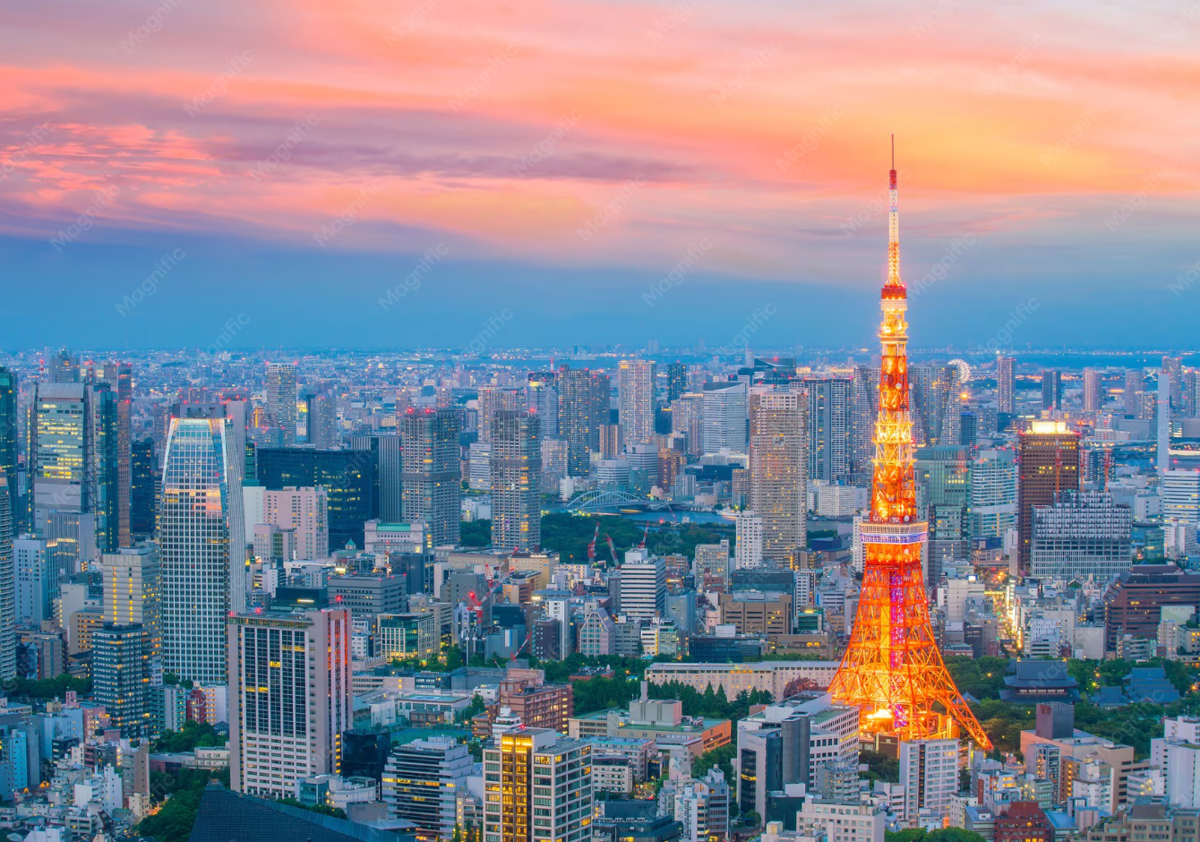
Reaching 634 meters into the Tokyo sky, the Tokyo Skytree is the tallest structure in Japan and a non-negotiable item on most travelers’ bucket lists.

However, because it's so popular, thousands of tourists end up making the same painful mistakes: waiting in 2-hour ticket lines, fighting massive crowds for a photo, or getting stuck in overpriced, packed restaurants.

As a local living in Sumida, here are 5 essential hacks to help you experience Tokyo Skytree smoothly, cheaply, and like a total insider.


1. Never Buy Tickets at the Door (Skip the 2-Hour Line)

The Mistake: Showing up at the Skytree ticket counter on a sunny afternoon and waiting in an exhausting, endless queue.

  • The Local Hack: Always buy your tickets online in advance! Same-day ticket lines can easily take 1 to 2 hours during peak season. Purchasing a timed-entry e-ticket lets you scan a QR code and walk straight to the elevators.

  • 🎫 Pro-Tip: Book via platforms like Klook or the official Skytree website at least a day before to lock in your preferred sunset time slot.


2. The Secret Alternative Photo Spot: Tenjin Bridge (Jittekibashi)

The Mistake: Trying to snap a full-length photo of the Skytree right at its base. Because it’s so massive, you’ll just end up with an awkward, distorted photo of your knees and the sky.

  • The Local Hack: Walk just 5 to 10 minutes away from the crowded main plaza toward Jittekibashi Bridge or along the Jippukagawa Canal.

  • 📸 Why It’s Better: You get a crystal-clear, unobstructed view of the entire tower reflecting off the water—with zero tourists blocking your shot!


3. Escape the Solamachi Food Court Trap

The Mistake: Eating at the Tokyo Solamachi mall food court at 12:30 PM. Finding a seat is like a game of musical chairs, and wait times at popular restaurants easily exceed 60 minutes.

  • The Local Hack: Cross the small river right behind the Skytree! The surrounding streets of Oshiage and Narihira are packed with incredible, quiet local eateries—from authentic ramen shops to traditional kissaten (Japanese cafes)—where you can eat for half the price without the wait.


4. Skip the Expensive Observatory for a Free High-Floor View

The Mistake: Paying nearly 3,000 yen just to spend 15 minutes looking at the city skyline when you're on a tight budget.

  • The Local Hack: Head up to the 30th or 31st floors of Tokyo Solamachi (Kunimi / Solamachi Dining).

  • 🏙️ The Secret: While these floors feature upscale dining, the public elevator lobbies have giant floor-to-ceiling windows with breathtaking, sweeping views of Tokyo (and even Mount Fuji on clear days) completely for free.


5. Combine Your Visit with Asakusa via the "Mizumachi" Walk

The Mistake: Taking the crowded subway for just one station between Asakusa and Skytree.

  • The Local Hack: Walk! Take the Sumida River Walk bridge and stroll through Tokyo Mizumachi—a beautiful, modern waterfront boardwalk right under the train tracks lined with trendy cafes, craft beer spots, and bouldering gyms. It’s a peaceful 15-minute walk that connects historical Asakusa directly to futuristic Skytree.


🧳 Skytree Visitor Survival Kit

Before you head to Oshiage, make sure you have these essentials packed in your daypack:

  1. 📱 Prepaid SIM / eSIM: Essential for checking the weather radar before going up


  2. 🔋 Magnetic Power Bank: Taking 4K videos at the top burns battery fast  


  3. 👟 Comfy Walking Shoes: The Solamachi complex is surprisingly huge!

    [ニューバランス] U5745MX D 265

    [ニューバランス] U5745MX D 265

    • new balance(ニューバランス)
    Amazon


10 Things Tourists Wish They Knew Before Visiting Tokyo in 2026

Visiting Tokyo is an unforgettable experience, but let’s be honest: Japan’s capital operates on its own unique set of unwritten rules. Every day, thousands of tourists walk into preventable travel traps—from carrying bags of trash all day to getting stranded in subway labyrinths with heavy suitcases.

If you’re planning a trip to Tokyo in 2026, here are the 10 biggest surprises tourists face and, more importantly, how to fix them like a local.


1. The Great Trash Can Mystery

The Problem: You bought a delicious snack at 7-Eleven, finished it, and now you’ve been walking for three hours with sticky garbage in your hand. Public trash cans in Tokyo are virtually nonexistent.

  • The Fix: Always carry a small plastic bag in your daypack. Look for trash bins next to vending machines (for cans/bottles only) or disposal boxes inside convenience stores where you purchased your item.


2. The "Cash-Only" Surprises & The Coin Flood

The Problem: Tokyo feels like the year 2050, yet many authentic ramen shops, temple stalls, and local izakayas in neighborhoods like Sumida only accept physical cash. Worse, your pockets quickly fill up with a heavy mountain of 10-yen and 100-yen coins.

  • The Fix: Keep cash on hand, but don't let coins ruin your day.

  • 🛍️ Essential Tool: Grab a compact Japanese Coin Purse to keep your coins organized at ticket machines.


3. Physical Suica Cards Are the Ultimate Cheat Code

The Problem: Buying individual paper train tickets every time you switch lines in Tokyo is a nightmare. While digital cards exist, setting up Apple Pay with non-Japanese credit cards can often trigger bank errors.

  • The Fix: A physical Suica or PASMO card allows you to tap onto trains, buses, and even pay at convenience stores and vending machines effortlessly.

  • 💳 Pro-Tip: Skip airport lines by ordering an unassigned Pre-loaded Physical Suica Card directly to your hotel!


4. "Free Public Wi-Fi" Is an Illusion

The Problem: You see a "Free Wi-Fi" sign on the street, but connecting requires complex SMS verification or a Japanese phone number—and it drops the moment you walk 10 feet.

  • The Fix: Never rely on public Wi-Fi for Google Maps or translation apps.

  • 📱 Essential Tool: Order a hassle-free eSIM or Prepaid Japan SIM beforehand for instant 5G data the moment you land.


5. The Subway Station Labyrinth & Staircase Traps

The Problem: Tokyo’s underground hubs (Shinjuku, Shibuya, Tokyo Station) are massive multi-level mazes. If you’re hauling heavy luggage or a stroller, walking down the wrong exit can land you in front of a giant flight of stairs with no elevator in sight.

  • The Fix: Use Google Maps’ “Wheelchair / Accessible” route option when navigating with big bags, or use hands-free luggage shipping services (like Yamato Transport) to send your heavy bags directly between hotels.


6. The "Otoshi" (Table Charge) Confusion at Izakayas

The Problem: You sit down at an izakaya, get a tiny appetizer you didn't order, and later notice a 300–800 yen charge per person on your bill. Tourists often think they're being scammed.

  • The Fix: This charge is called "Otoshi"—a traditional Japanese table/seat charge that comes with a small starter dish. It’s a normal part of Japanese dining culture, so embrace it as part of the experience!


7. Google Maps Will Drop You at the Wrong Floor

The Problem: You found a top-rated restaurant on Google Maps, but when you arrive at the pin, it’s just a clothing store or an empty alley.

  • The Fix: Japanese cities build vertically. Always check the address for floor numbers (e.g., "3F" means 3rd floor, "B1" means Basement 1). Look for building tenant signs near the elevators!


8. Walking and Eating Is a Social Taboo

The Problem: In many Western countries, walking down the street eating a slice of pizza or a pastry is totally normal. In Tokyo, doing this is considered rude and messy.

  • The Fix: Eat or drink right outside the convenience store/vending machine where you bought it, or find a park bench to sit down and enjoy your snack.


9. Shoes-Off Etiquette Is Mandatory (Check Your Socks!)

The Problem: From traditional restaurants and izakayas to fitting rooms and temple halls, you will be taking off your shoes far more often than you expect.

  • The Fix: Wear slip-on shoes for easy transit, and always make sure your socks are clean and hole-free!


10. The Phone Battery Drain Is Real

The Problem: Between using translation apps, navigating Google Maps, taking hundreds of 4K photos, and tapping IC cards, your smartphone battery will likely die by 2:00 PM.

  • The Fix: Portable chargers are non-negotiable for a full day of sightseeing in Tokyo.

  • 🔋 Essential Tool: Keep a lightweight MagSafe Power Bank in your daypack so you never get lost with a dead phone.